Tactical Bags & Outdoor Packs: An OEM Buyer's Guide to Materials, MOLLE, MOQ and QC
Tactical bags and outdoor packs are priced and scheduled by four decisions: the fabric denier, the MOLLE layout, the hardware grade, and the order quantity. Get those four wrong and the sample looks right but the bulk order fails at the stress points. For a 300-piece program in 500D Cordura with YKK #10 zips, expect 3–5 days for a sample and 15–25 days for bulk production after approval.
What counts as a tactical bag or outdoor pack
In sourcing terms, the category splits into four product families that share materials and hardware but not construction logic. Most importers start with one family and expand once the first program ships.
Tactical backpacks
35–45 L assault and patrol packs. Load is carried on a padded harness, so the shoulder-strap anchor and the base panel take the stress. Laser-cut MOLLE on the body is now standard because it saves weight and cuts sewing time.
Chest rigs and sling bags
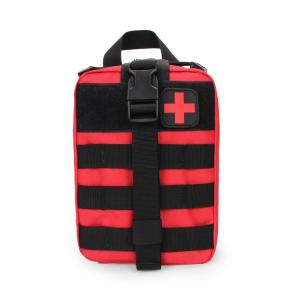
Modular placards on an H-harness, or single-strap slings for quick access. Buyers usually specify pouch count rather than litre capacity: three magazine pouches plus two radio pouches is a common baseline.
Range and gear bags
Wide top opening, removable padded dividers, reinforced base. Sold to shooting-sports and hunting channels where the bag is loaded and unloaded on a bench, so abrasion on the base matters more than water resistance.
EDC and organizer bags
Waist packs, sling packs and phone pouches for urban carry. Lower unit price, higher colour-count risk, and the family where logo and packaging customization earns the most margin.
Start from the use case, not the product photo
Buyers who send a reference photo first usually end up re-sampling. A one-page requirement is faster: who carries the bag, what goes in it, how far, and how often it is set down. Those four answers decide capacity, harness type and base reinforcement before any price discussion.
Duty and patrol use
- 35–45 L, padded harness, hydration sleeve
- Base panel doubled or reinforced
- Dark, non-reflective hardware
- Name tape and unit patch panels
Range and sports use
- Wide opening, removable dividers
- Reinforced base, stands upright when loaded
- External pockets sized to magazines or tools
- Higher colour variation, retail packaging
Fabric: 500D vs 1000D Cordura, nylon vs polyester
Denier is the weight of the yarn, not the strength of the bag. A 500D pack with bar-tacked stress points outlasts a 1000D pack with single stitching, and it ships lighter, which matters once freight is calculated per kilogram. The table below is the specification most buyers settle on.
| Fabric | Abrasion | Weight | Relative cost | Typical use |
|---|---|---|---|---|
| 500D Cordura nylon | High | Medium | Baseline | Backpacks, chest rigs, most pouches |
| 1000D Cordura nylon | Very high | Heavy | +8–15% | Range bags, floor-contact panels, hard-use packs |
| 600D polyester (PU coated) | Medium | Light | −10–20% | EDC bags, promo programs, entry price points |
| 800D waterproof nylon | High | Medium | +5–10% | Pet gear, outdoor packs exposed to rain |
| Laser-cut laminate | Medium–high | Lightest | +10–20% | Modern assault packs, weight-critical programs |
Practical rule: specify 500D for anything worn on the body, 1000D for anything that touches the ground, and polyester only where the retail price cannot carry the difference.
MOLLE and PALS: the spec buyers forget
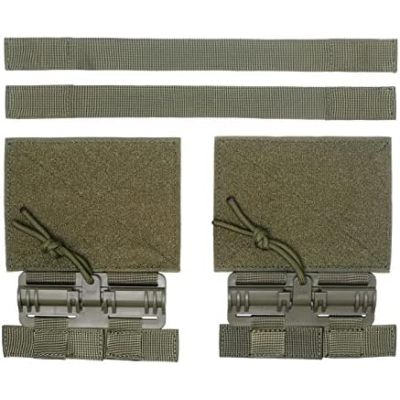
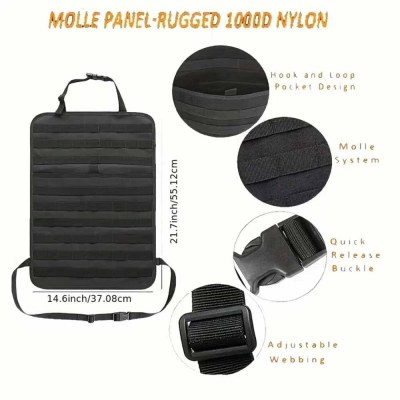
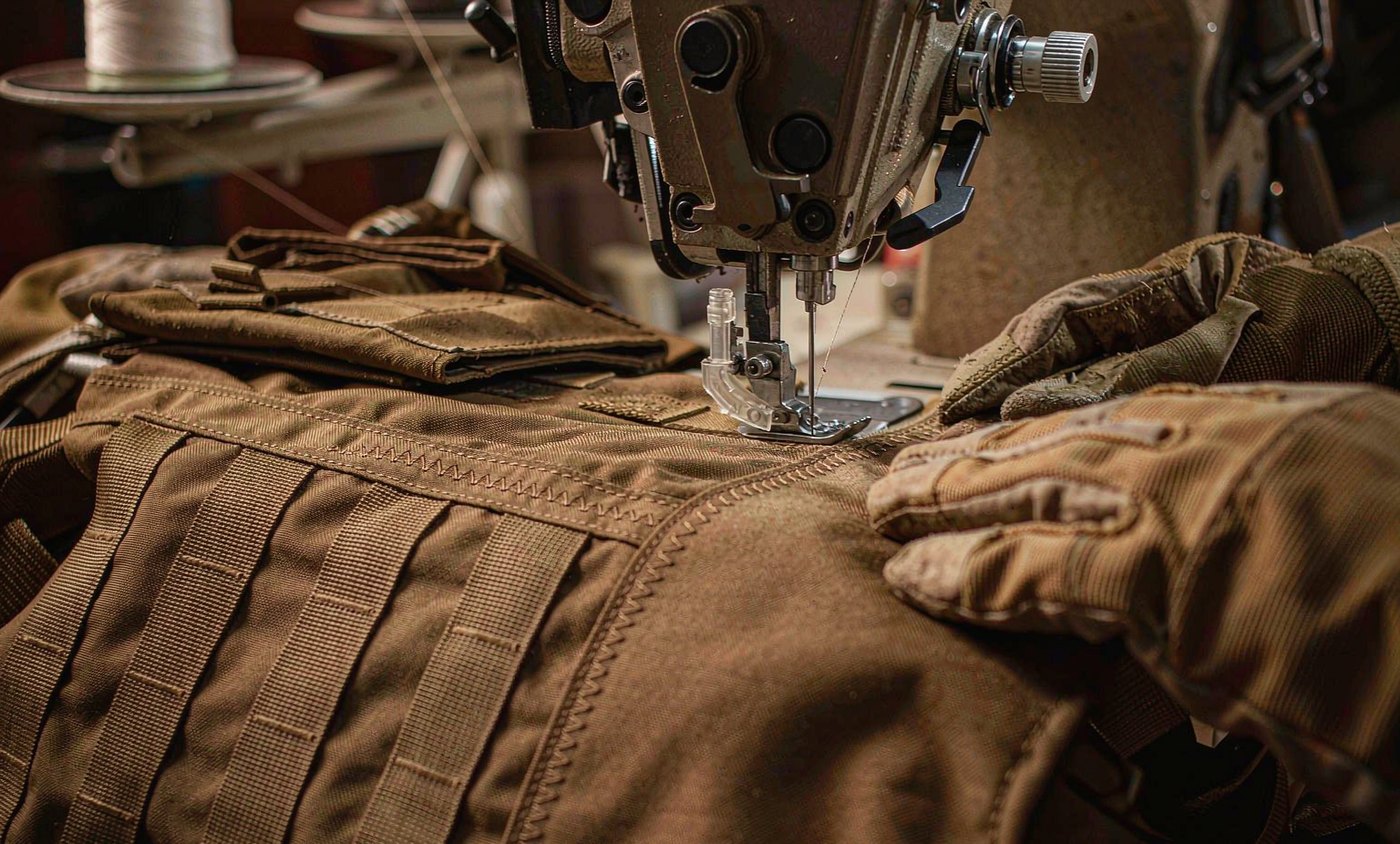
MOLLE is the pouch attachment system; PALS is the webbing grid it mounts to. The grid is standardized at 25 mm (1 inch) webbing with 37–38 mm row spacing, and a pouch needs two rows to sit stable. If the PO does not state rows, spacing and stitch pattern, two suppliers will deliver two different grids and the customer's pouches will not fit.
| Item to specify | Standard | Why it matters |
|---|---|---|
| Webbing width | 25 mm | Anything else will not accept standard clips |
| Row spacing | 37–38 mm centre to centre | Determines which pouches can be stacked |
| Rows on back panel | 6 rows × 4 channels (typical 35 L) | Capacity for modular loadout |
| Stitch pattern | Double row, bar tack each end | Prevents row pull-out under load |
| Laser-cut vs webbing | State one | Changes weight, cost and lead time |
Hardware and stress points
Hardware is where cost-cutting shows first and where returns come from. On a backpack, five points carry almost all the load: shoulder-strap anchor, haul handle, base corners, compression-strap anchors, and the zipper ends at the main compartment. Each should be bar-tacked or box-X stitched through at least two layers.
Zippers
YKK #10 on main compartments, #8 on secondary. Ask for the slider brand in writing; unbranded sliders are the most common substitution in bulk.
Webbing
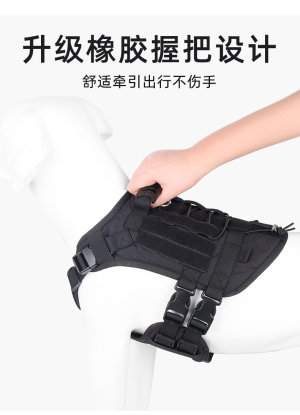
Polypropylene stretches, nylon holds. For load-bearing straps specify nylon webbing and state the breaking strength you need.
Buckles
Acetal side-release buckles from a named maker, tested to the load you specify. Cheap buckles crack in cold weather, which shows up as winter returns.
Thread
Bonded nylon, not polyester, on load paths. Stitch density 7–9 stitches per inch; below that, seams open.
Sampling: what 3–5 days actually buys you
A sample is a construction test, not a beauty shot. In 3–5 days for a regular style we cut and sew one unit in your specified fabric and hardware, then photograph the five stress points so you can approve or correct before bulk. Custom tooling, new patterns or laser-cut laminates add 5–10 days.
- 1
Spec sheet and artwork
Fabric, denier, colour reference, webbing layout, logo method and placement, packaging.
- 2
Sample in 3–5 days
One unit, your materials. Photos of stress points plus a physical courier if you need to feel the hand of the fabric.
- 3
Sample review
Check stitch density, MOLLE alignment, zipper pull force, colour against Pantone, and weight against spec.
- 4
Approval and bulk
Signed sample becomes the reference standard for the QC inspection. 15–25 days production for 300–1,000 pieces.
MOQ, tooling and what moves the unit price
Our MOQ is 300 pieces per design for bags and packs, and 500 for pet-gear programs, with mixed colours inside one order. Below that, cutting and setup dominate the price. Above 1,000 pieces, fabric purchasing starts to matter more than labour.
| Cost driver | Effect on unit price | How buyers manage it |
|---|---|---|
| Order quantity | Largest single factor | Combine colours or SKUs in one run |
| Fabric denier | +8–20% for 1000D or laminate | Use 1000D only on ground-contact panels |
| Laser-cut MOLLE | +10–20%, faster assembly | Worth it above 500 pcs |
| Logo method | Embroidery and rubber patches differ 2–3× | Match method to retail price point |
| Custom packaging | +3–8% | Hang tag and poly bag usually enough |
| Number of colours | Setup cost per colour | Cap the palette for the first order |
The six QC checks to write into the PO
Quality clauses only work if they are measurable. These six are the ones that catch the defects buyers actually claim on.
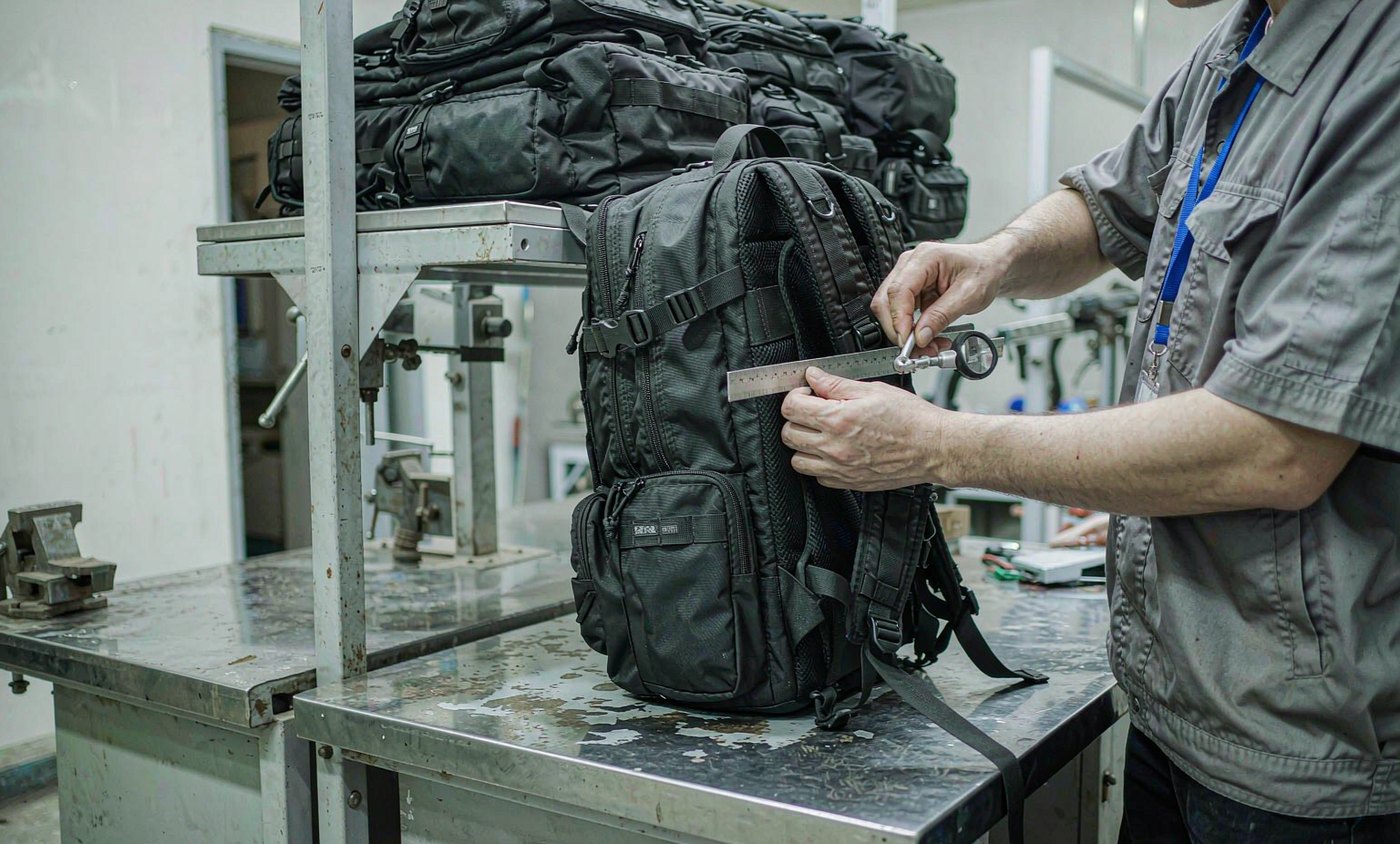
- Seam strength at five stress points — bar tack or box-X present, pulled by hand at inspection.
- Stitch density — 7–9 per inch on load paths, no skipped stitches on webbing rows.
- MOLLE grid tolerance — row spacing 37–38 mm, measured on three random units.
- Zipper function — full travel both directions, no catching at the curve, slider brand verified.
- Colour match — against the approved Pantone or lab dip under daylight, not factory lighting.
- Carton and drop test — carton quantity, drop from 80 cm on one corner, contents intact.
Lead time, packing and shipping
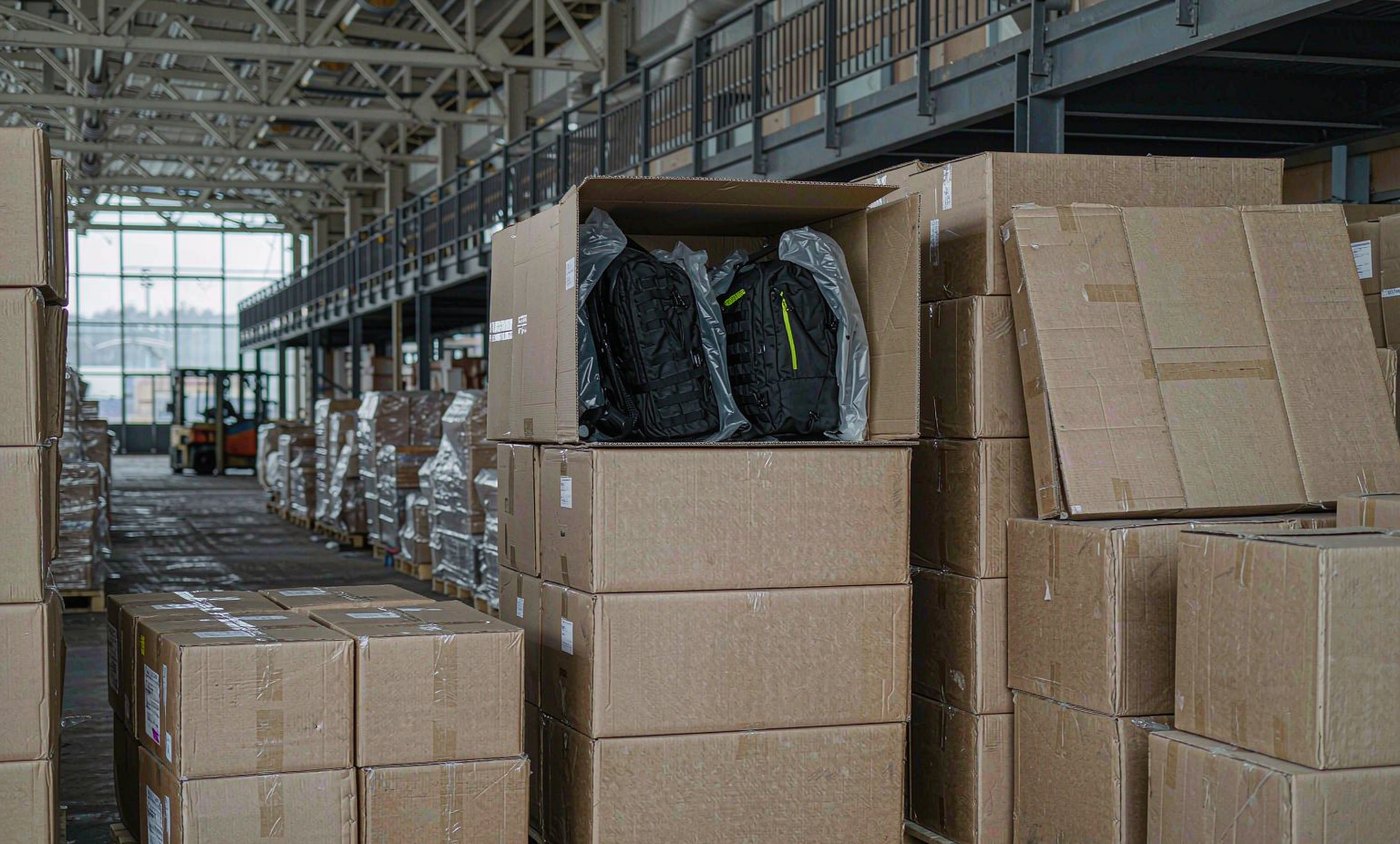
From approved sample to goods ready: 15–25 days for 300–1,000 pieces, longer for laser-cut panels or multi-colour programmes. Cartons are export-grade with your marks; typical fill is 20–50 units depending on volume, and we quote both carton dimensions and gross weight so you can calculate freight before the order closes.
Sourcing tactical bags for a retail or distribution program?
Send your spec — fabric, litres, MOLLE rows, logo method and target quantity — and we will quote against a real construction, with the sample timeline in writing.
Buyer FAQ
What is the MOQ for custom tactical bags?
300 pieces per design for bags and packs, 500 for pet-gear programmes. Mixed colours are accepted inside one order; laser-cut styles are best above 500 pieces to absorb the setup.
How long does a sample take, and what does it cost?
3–5 days for a regular style in your specified fabric and hardware. Custom patterns or new tooling add 5–10 days. Sample cost is quoted per project and credited against the bulk order when it proceeds.
Can you match a competitor's bag exactly?
We can match construction and function, and we will tell you where the original spec is weaker than it looks — for example single stitching at the strap anchor. Copying a protected design is not something we take on.
Which fabric should I choose for a first order?
500D Cordura nylon for anything worn on the body. It survives normal use, keeps freight weight down and sits at the baseline price. Move to 1000D only on panels that contact the ground.
Can you supply test reports and certification documents?
Yes. Fabric and hardware test reports can be supplied with the order, and we will confirm which standards apply to your market before production rather than after.
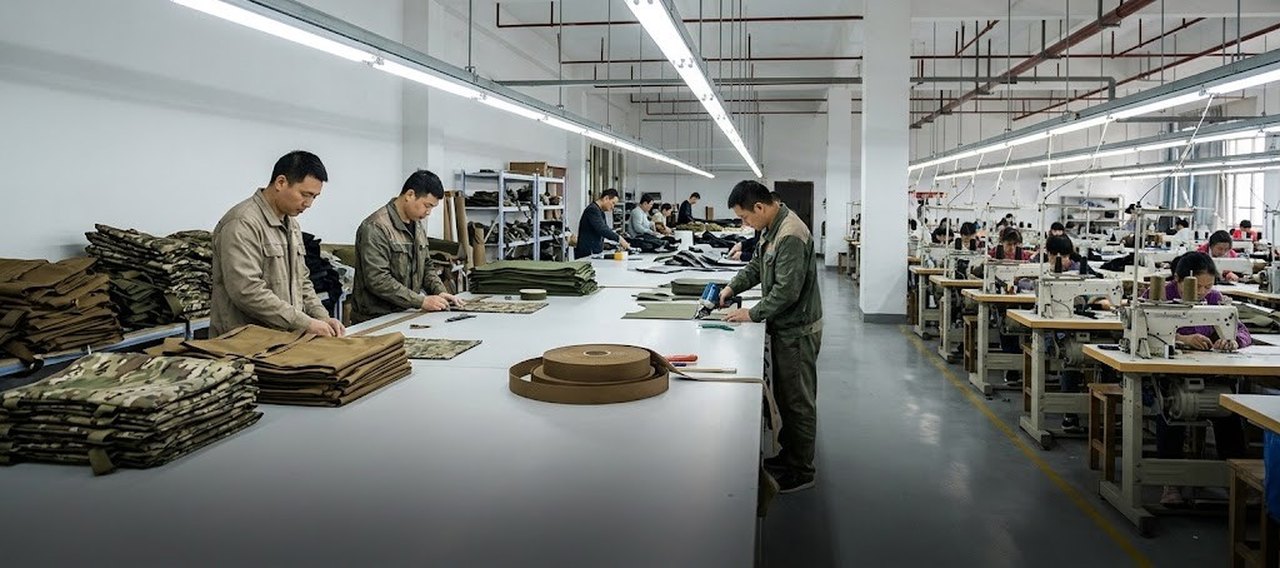
Written by the WildHawk OEM team in Huadu, Guangzhou — a bag and tactical-gear factory running its own cutting, sewing and QC floor since 2018. Every number in this guide comes from orders we have actually shipped.